Layout Pattern
Hero
Combine a prominent visual or message with supporting content. Use it when one element should lead the audience into the details.
How to Use It
Combine a prominent visual or message with supporting content. Use it when one element should lead the audience into the details.
Preview + source
Explore this layout
Introduce one central idea with a dominant image and concise supporting copy.
All people, quotations and business figures in these examples are illustrative.
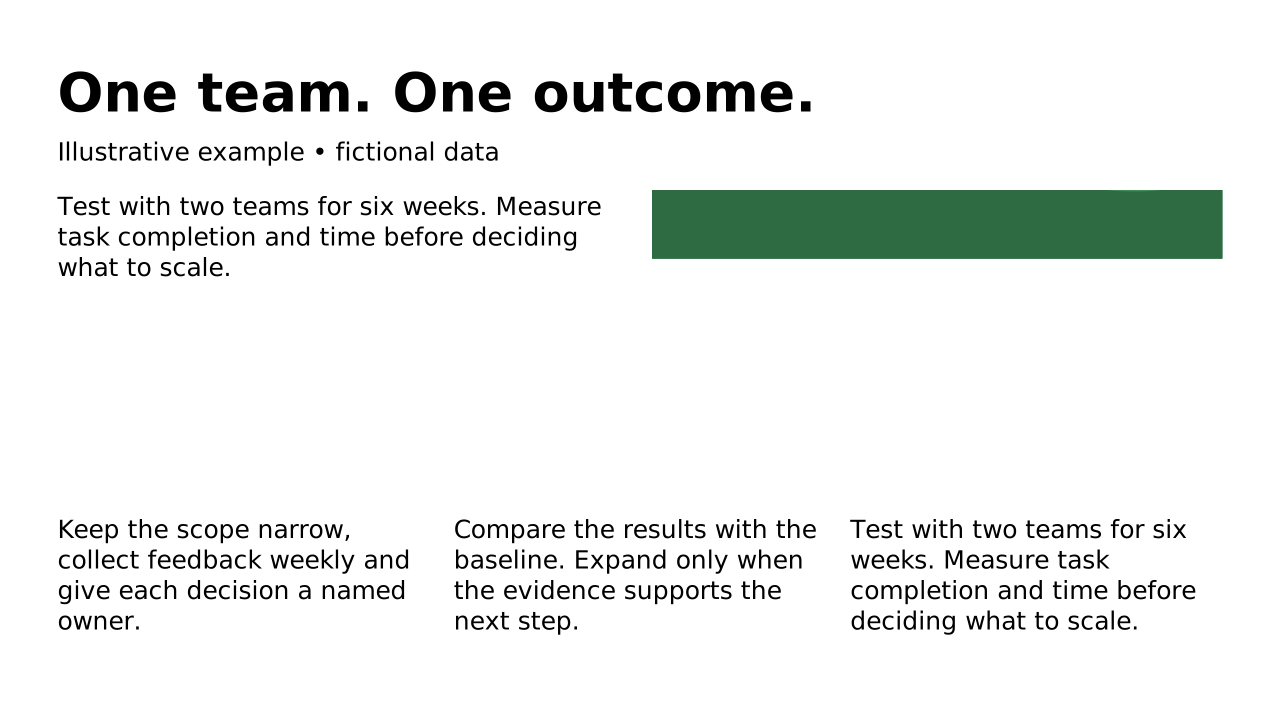
This prepared preview and the OPF describe the same example. Area outlines show measured allocation; toggling them does not change the slide.
Inspect compact default-catalog references. Your host must register the matching catalog; source identifies it without fetching over the network. Copy always includes complete embedded records.
{5 keys
"design": {1 keys
"slides": [1 items
{4 keys
"blocks": [5 items
{2 keys
{2 keys
"image": {2 keys
{2 keys
{2 keys
{2 keys
"catalogs": {1 keys
"default": {1 keys
Layout structure and reference fields
How automatic composition differs
Try dynamic composition
Explore how a text slide reflows as you change its content and shape. These examples use OPF’s shared composition rules; the copied document includes your choices.
All sample text fits within its content areas.
View the complete OPF example
{
  "$schema": "https://openpresentation.org/schema/opf/v1",
  "name": "Dynamic composition example",
  "design": {
    "dimensions": {
      "widthInches": 13.333333333333334,
      "heightInches": 7.5
    }
  },
  "slides": [
    {
      "title": "Let the content find its space",
      "composition": {
        "mode": "auto"
      },
      "blocks": [
        {
          "text": "Start with the decision. State what the audience should understand or do."
        },
        {
          "text": "Show the evidence. Give each supporting idea enough space to be read."
        },
        {
          "text": "Make the next step clear. Keep the action specific and easy to remember."
        }
      ]
    }
  ]
}
Composition rules and examples as JSON · Pagination rules and example JSON
Related Layouts
Similar OPF layout slugs with matching content types, spatial patterns, or presentation use cases.
Groups Of Items
Comparison
Compare alternatives using parallel information. Keep the same criteria and level of detail for every option.
/layouts/comparison
Visuals
Image beside
Explain a visual alongside its supporting text. Use the text to direct attention to the meaningful parts of the image.
/layouts/image-beside
Text
Two columns
Place two bodies of content beside each other. Use it for paired explanations or an argument with supporting evidence.
/layouts/two-column
Groups Of Items
Pillars
Show the main themes or principles behind an idea. Give each item a short heading and a comparable amount of detail.
/layouts/pillars
Mixed
Team
Introduce people and their roles. Use consistent names, descriptions and portraits when available.
/layouts/team
Openers And Closers
Closing
End with the action the audience should take. Include contact details or a brief thank-you when useful.
/layouts/closing